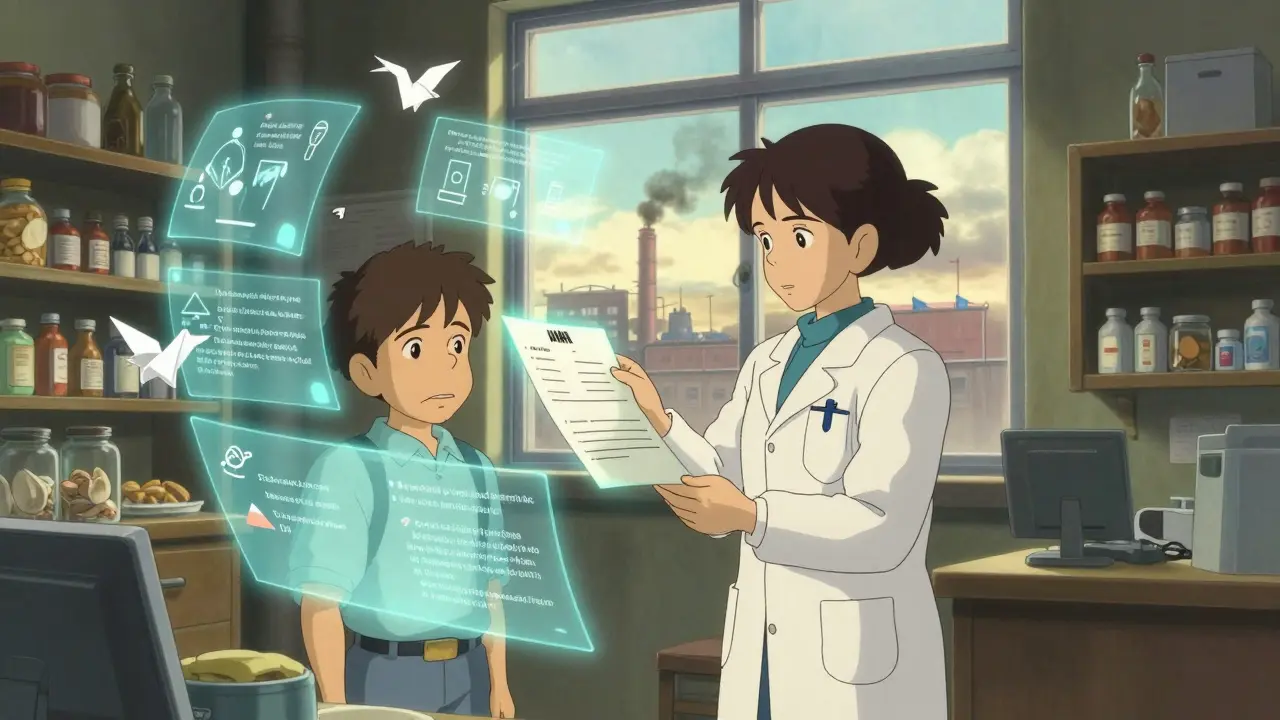
The FDA doesn’t just approve drugs and monitor food safety-it actively shuts down companies that break the rules. If you’re a manufacturer selling food, drugs, medical devices, or tobacco products in the U.S., ignoring FDA regulations isn’t an option. The agency has a powerful, well-documented system to catch violations and force corrections. And in recent years, it’s gotten much more aggressive.
What Is an FDA Warning Letter?
An FDA Warning Letter is the agency’s most common formal step to tell a company it’s violating federal law. It’s not a suggestion. It’s a legal notice that says: fix this now, or face serious consequences. These letters are issued after inspections, complaints, or product testing reveal violations of the Federal Food, Drug, and Cosmetic Act (FDCA). They list exact problems-like poor sanitation in a food plant, false claims on a drug label, or unapproved ingredients in a supplement. The company gets 15 business days to respond with a detailed plan to fix everything. No response? Or a weak one? That’s when the FDA starts pulling out bigger tools. Warning Letters are public. They’re posted on the FDA website. That means investors, customers, and competitors can see them. For a pharmaceutical company, that can mean lost contracts, stock drops, and hospital bans. For a food producer, it can mean retailers pulling products off shelves.How the FDA Escalates Enforcement
The FDA doesn’t jump straight to fines or seizures. It uses a step-by-step system:- Untitled Letter: For minor, non-serious issues. Less formal, often used for advertising claims that are misleading but not dangerous.
- FDA Form 483: Given during inspections. Lists observations of violations. Not a warning letter, but it’s the first red flag.
- Warning Letter: Formal, legally significant. Requires a written response and corrective actions.
- Import Alert: Blocks products at the border. If your supplement or drug gets flagged, it gets detained without inspection.
- Recall: Can be voluntary (requested) or mandatory (ordered). The FDA can force you to pull your product from the market.
- Withdrawal of Approval: For drugs or biologics, this means your product can no longer be sold in the U.S.
- Criminal Penalties: For lying to inspectors, hiding records, or blocking access to facilities, individuals can face jail time.
What Companies Are Getting Warned-And Why
The FDA doesn’t target everyone equally. Some sectors are under heavier scrutiny right now.Tobacco Products
Since 2021, the FDA has issued over 700 warning letters targeting unauthorized e-cigarettes and vape products. Most of these are aimed at flavors and designs that appeal to teens. Even if a product is technically legal, if it doesn’t have premarket authorization, it’s illegal. The FDA is cracking down hard-despite lawsuits challenging its authority.Pharmaceuticals and Compounding Pharmacies
In early 2025 alone, the FDA issued 58 warning letters to compounding pharmacies and telehealth companies selling compounded versions of GLP-1 drugs like semaglutide and tirzepatide. These are the same drugs used in Ozempic and Mounjaro. The problem? Many companies are marketing them as “identical” to brand-name drugs, which is false and dangerous. The FDA says this misbranding violates Sections 502(a) and 502(bb) of the FDCA. These letters now come from the Director of CDER or CBER-not lower-level reviewers. That change signals the FDA is treating these violations as top-priority threats to public health.Food Manufacturing
In 2024, the FDA issued 149 warning letters to human food facilities and 37 to animal food facilities. Most violations were tied to failure to follow Current Good Manufacturing Practices (cGMP) and the Food Safety Modernization Act (FSMA). Common issues: no hazard analysis, no preventive controls, poor sanitation, unapproved additives. What’s new? The FDA is shifting from citing old cGMP rules to enforcing FSMA’s Preventive Controls. That means companies must now prove they’re actively identifying risks before they become problems-not just reacting to contamination after it happens.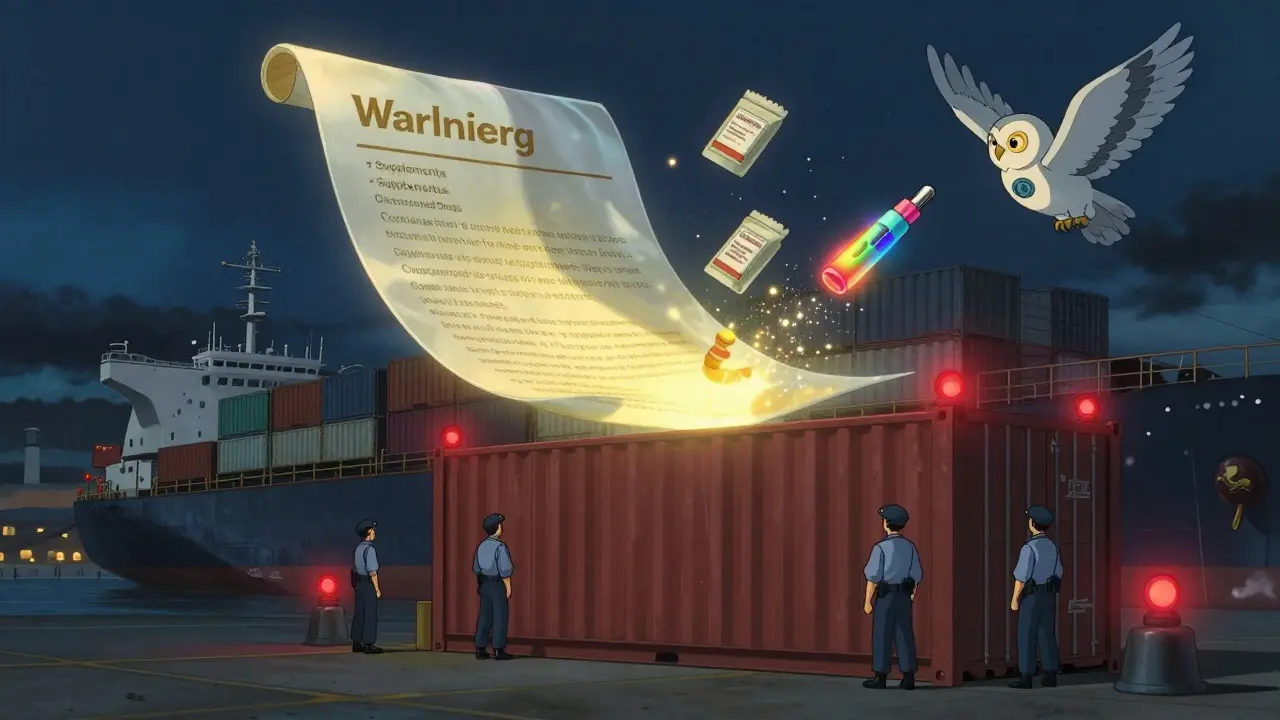
How the FDA Is Changing Its Tactics
Under Commissioner Robert Califf, the FDA has returned to a 1990s-style enforcement model: issue hundreds of warning letters every year. But it’s not just about volume-it’s about intensity.- Unannounced inspections are up 300% for foreign facilities. If you make drugs or ingredients overseas, the FDA can show up without warning. Refuse entry? That’s a criminal offense.
- Warning Letters now use stronger language. Instead of saying “we request you correct this,” they say “FDA requests immediate action.”
- Signatures have changed. Letters are now signed by center directors, not junior staff. That makes them feel-and legally carry-more weight.
- The FDA is targeting digital marketing. Social media posts, influencer ads, and website claims about compounded drugs are now being cited in warning letters.
What Happens If You Don’t Respond
If you get a warning letter and ignore it-or send a half-hearted response-the FDA doesn’t wait. It moves fast:- Civil Monetary Penalties: Fines between $10,000 and $1 million per violation.
- Product Seizure: The FDA can take your product off the market and destroy it.
- Injunction: A federal court can order you to stop manufacturing or selling.
- Import Refusal: Your products get blocked at the border. You have 30 days to prove compliance-or lose the shipment.
- Criminal Charges: For obstructing inspections, falsifying records, or knowingly shipping unsafe products.

How to Respond to a Warning Letter
If you get one, don’t panic-but don’t delay either. Treat it like a regulatory emergency.- Assemble a team: Include legal counsel, quality assurance, regulatory affairs, and senior management. Don’t let this fall to one person.
- Review every allegation: Don’t assume the FDA is wrong. Even small errors can be used to justify bigger penalties.
- Develop a detailed plan: Not just “we’ll fix it.” Say exactly what you’ll do, who’s responsible, and when it will be done. Include timelines, training logs, and validation reports.
- Submit within 15 days: Missing the deadline automatically triggers escalation.
- Follow up: The FDA will send an inspector back. Be ready. Document everything.
What’s Next for FDA Enforcement
The FDA’s 2026 budget includes $50 million to expand inspections and enforcement. That means more unannounced visits, more digital monitoring, and more warning letters. Expect tighter rules on:- Online sales of unapproved drugs
- AI-generated marketing claims
- Foreign manufacturing facilities without U.S. representatives
- Supplements making drug-like claims (e.g., “reduces cholesterol like statins”)
What happens if I ignore an FDA warning letter?
Ignoring an FDA warning letter triggers automatic escalation. The agency can impose civil penalties of up to $1 million per violation, seize your products, issue an injunction to stop your operations, or refer your case for criminal prosecution. Your products may be blocked at U.S. borders, and your company’s reputation can be permanently damaged. The FDA does not wait for compliance-it enforces it.
Are warning letters only for pharmaceutical companies?
No. Warning letters are issued across all FDA-regulated industries: food manufacturers, dietary supplement producers, medical device makers, tobacco vendors, and veterinary product companies. In 2024 alone, over 180 warning letters went to food facilities. Any business selling regulated products in the U.S. is subject to these notices.
Can the FDA inspect foreign facilities without notice?
Yes. Since May 2025, the FDA has significantly expanded its unannounced inspection program for foreign manufacturing sites. Companies that refuse access, delay inspections, or hide records can face criminal charges under Section 303(f) of the FDCA. This is now standard practice for drug, device, and food producers outside the U.S.
How long do I have to respond to a warning letter?
You typically have 15 business days to respond. The FDA may allow a different deadline based on the severity of the violation, but failing to respond within the given timeframe will lead to enforcement escalation. Always confirm the deadline in the letter and respond before it expires.
Do warning letters appear on public records?
Yes. All FDA warning letters are published on the agency’s website and remain publicly accessible indefinitely. They are used by investors, buyers, hospitals, and regulators to assess a company’s compliance history. A single warning letter can affect contracts, partnerships, and stock value.
Can I appeal an FDA warning letter?
You cannot formally appeal a warning letter, but you can respond with evidence that challenges the FDA’s findings. If you believe the letter contains factual errors, you can submit a detailed rebuttal with documentation. The FDA may revise or withdraw the letter if your response is convincing. However, the letter remains public unless the FDA agrees to remove it.


Write a comment