
Across the world, you can take the same pill for high blood pressure, diabetes, or depression-but the chances that you’ll get the same version of it depend entirely on where you live. In the United States, over 90% of prescriptions are filled with generic drugs. In Switzerland, it’s closer to 17%. That’s not a typo. The same active ingredient, the same dosage, the same intended effect-but in one country, it’s cheap and common. In another, it’s rare, expensive, or even unavailable.
Why Some Countries Use Generics More Than Others
It’s not about how sick people are. It’s about how systems are built. Countries like the United Kingdom, Germany, and the Netherlands have policies that actively push doctors and pharmacists to prescribe generics. In the UK, for example, pharmacists can automatically swap a brand-name drug for a generic unless the doctor specifically says no. This isn’t just convenience-it’s policy. And it works. Over 80% of prescriptions there are for generics. In contrast, Switzerland and Italy have no such rules. Doctors there often prescribe the original brand-name drug, even after its patent expires. Why? Patient trust. Some patients believe generics are weaker. Some doctors believe they are. And in countries where insurance pays almost the full cost of brand-name drugs, there’s little pressure to switch. The U.S. is an odd case. It has the highest volume of generic prescriptions-over 90%-but also the highest prices. You’ll pay more for a generic pill in the U.S. than in Canada, the UK, or India. Why? Because competition doesn’t always mean lower prices. In the U.S., a single manufacturer can dominate a generic market for years, especially if the drug is complex to make. When only one company produces a generic version of a common drug like metformin or levothyroxine, they can raise prices without fear of losing customers.Where Your Generic Drug Actually Comes From
Most of the generic drugs you take weren’t made in your country. Roughly 40% of the generic drugs used in the U.S. come from India. India produces about 20% of the world’s generic medicines and has over 750 manufacturing sites approved by the U.S. Food and Drug Administration (FDA). China is catching up fast-its FDA-approved facilities jumped from 12 in 2010 to 187 in 2023. But here’s the catch: quality isn’t guaranteed just because a drug is approved. A 2023 study from Ohio State University found that generic drugs made in India were linked to 54% more severe side effects-like hospitalizations and even deaths-compared to identical drugs made in the U.S. The issue isn’t the active ingredient. It’s the fillers, the coating, the manufacturing environment. A small difference in how a pill is pressed or how a liquid is sterilized can change how your body reacts. That’s why some patients report different side effects when they refill a prescription abroad. A Reddit user in 2022 described switching from a U.S.-made generic levothyroxine to one bought from Canada. The active ingredient was the same. But the pill’s color, shape, and inactive ingredients were different. Within days, they felt fatigued and dizzy. Their doctor couldn’t explain why-until they checked the manufacturer. The Canadian version was made in India. The U.S. version was made in the U.S.Price Differences That Make No Sense
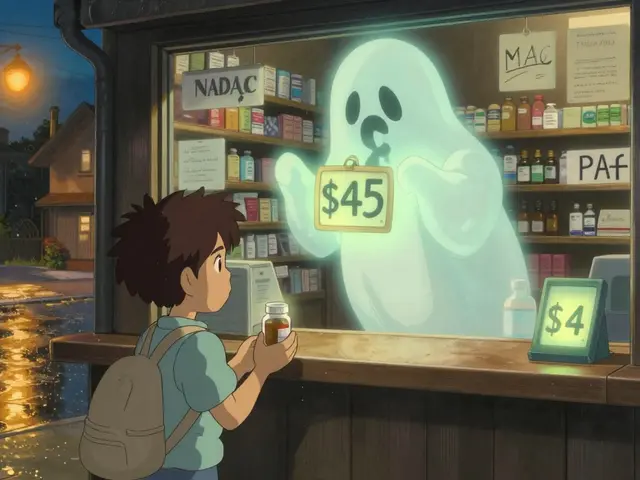
For the exact same generic drug, you might pay:- $1.50 in the U.S.
- $0.80 in Germany
- $0.30 in India
- $4.20 in Switzerland

How Regulations Slow Things Down
In Europe, a generic drug must get approval from the European Medicines Agency (EMA). But then, each country has to approve it again. That adds 18 to 24 months before the drug even reaches shelves. In the U.S., the FDA reviews the drug once, and if approved, it’s available nationwide. But the FDA has its own problems. Inspections of foreign factories are often announced in advance. That means manufacturers can clean up, fix issues, and hide problems. In the U.S., inspections of domestic plants are unannounced. The result? Foreign-made generics are more likely to be linked to quality failures. In 2023, 68% of U.S. generic drug shortages came from facilities in India and China. India’s system is fast and cheap-but not always consistent. With over 750 FDA-approved factories, the agency can’t inspect them all frequently. Some factories cut corners to stay profitable. When a batch fails inspection, it’s pulled. But by then, thousands of pills may have already been shipped.What Happens When a Drug Disappears
During the pandemic, India temporarily banned exports of 26 active ingredients, including antibiotics and heart medications. Suddenly, hospitals in Canada, Australia, and the U.S. faced shortages. Patients had to switch to more expensive brand-name drugs-or go without. The FDA recorded 147 generic drug shortages in 2023. Most weren’t due to demand. They were due to one factory shutting down. If a single facility in Hyderabad or Shanghai is the only one making a certain generic, and it fails inspection, the whole country can run out. This is why some experts call the current system a “fragile supply chain.” It’s efficient when everything works. But when one link breaks, millions are affected.
What’s Changing-And What’s Not
There are signs of change. The U.S. Inflation Reduction Act of 2022 gave the FDA more funding to inspect foreign factories. It also cut review times for generic drugs by 30%. The European Union is pushing for a single approval process across all member states, aiming for 80% generic use by 2030. But big obstacles remain. Drugmakers still use “evergreening”-filing minor patent extensions on reformulated versions-to delay generics. Between 2015 and 2022, over 1,200 patents were filed on just 12 top-selling drugs to keep generics off the market. Meanwhile, biosimilars (the next generation of generics for complex biologic drugs) are growing fast. But they’re expensive to develop. So even when they arrive, they won’t bring the same price drops as simple pills.What This Means for You
If you take generic drugs:- Check the manufacturer name on your prescription label. If it changes suddenly, talk to your pharmacist.
- If you travel abroad, bring your medication with you. Don’t assume the same drug is available locally.
- Be alert for new side effects. A different filler or coating can cause reactions-even if the active ingredient is identical.
- Compare prices. A Canadian online pharmacy might offer the same drug for 60% less-but verify the manufacturer and check reviews.
Why are generic drugs cheaper than brand-name drugs?
Generic drugs are cheaper because they don’t need to repeat expensive clinical trials. Once a brand-name drug’s patent expires, other manufacturers can produce the same active ingredient. They save money by skipping R&D and marketing costs. That’s why a generic version of a drug like lisinopril might cost $3 instead of $150 for the brand name.
Are generic drugs as effective as brand-name drugs?
In most cases, yes. The U.S. FDA requires generics to have the same active ingredient, strength, dosage form, and route of administration as the brand. They must also prove they’re bioequivalent-meaning they work the same way in the body. But minor differences in inactive ingredients (like fillers or coatings) can affect how some people absorb the drug. For most, this doesn’t matter. For others-especially with narrow-therapeutic-index drugs like warfarin or levothyroxine-it can.
Why are generic drug prices so different between countries?
It’s mostly about regulation and negotiation. Countries like the UK and Canada negotiate bulk prices with manufacturers and cap what pharmacies can charge. The U.S. doesn’t negotiate, so prices are set by the market. In countries with low competition-where only one company makes a generic-the price stays high. In places with many manufacturers, prices drop. Also, manufacturing costs vary: labor, materials, and regulations in India are cheaper than in Switzerland.
Can I trust generics made in India or China?
Many are safe-FDA-approved factories in India and China meet strict standards. But not all do. A 2023 study found Indian-made generics had 54% higher rates of severe side effects than U.S.-made ones. The issue isn’t the active ingredient-it’s quality control. If a factory cuts corners on sterilization or testing, the final product can be unsafe. Always check the manufacturer name and look for FDA-approved labels. If you notice new side effects after switching generics, report it.
Why do some countries have trouble getting generic drugs?
Regulatory delays are the biggest reason. In Europe, a drug must be approved by the EMA and then separately by each country-adding up to two years. In the U.S., one approval covers the whole country. Also, if a drug is complex (like an inhaler or topical cream), fewer manufacturers can make it. That limits supply. And if a single factory is the only one making it, a shutdown means nationwide shortages.
12 Comments
Coy Huffman- 4 February 2026
lol so basically your pill's journey is like a global lottery 🤷♂️ one day you get the good one, next day you're on some Indian-made version that makes you feel like a zombie. i switched generics last month and suddenly i couldn't wake up. doc said 'it's the same chem' but bro, my body knows the difference.
Amit Jain- 5 February 2026
in india we make these pills cheap because we know how to make them right. yes, some factories cut corners, but most are clean and follow rules. if you check the maker name, you'll see many are FDA approved. dont blame the country, blame the system that lets one company control the market.
Alec Stewart Stewart- 5 February 2026
this is wild but also kinda obvious when you think about it. i never realized my levothyroxine could be made in three different countries and still have the same name. i had a weird headache last month and switched back to the old brand - boom, fine. turns out the new batch was from a different plant. never knew to check the label. thanks for the heads up 😊
Demetria Morris- 7 February 2026
The fact that pharmaceutical regulation is so fragmented across nations is not merely a logistical inconvenience-it is a systemic failure of public health governance. When lives are contingent upon the geopolitical whims of manufacturing supply chains, we have abandoned the fundamental principle of equitable healthcare access. This is not capitalism. This is negligence dressed in white coats.
Geri Rogers- 9 February 2026
Y'all need to stop being scared of generics. 😤 I’ve been on the same generic for 8 years-same maker, same results. The FDA doesn’t approve junk. If your pill changed and you feel weird? That’s on YOU for not checking the manufacturer. Go to drugs.com, type in the name, see where it’s made. Don’t blame India. Blame your pharmacist for not telling you. 💪
Samuel Bradway- 9 February 2026
i used to think generics were all the same until my grandma had a bad reaction after switching. she was on the same med for 10 years, then one day she got dizzy and nauseous. turned out the new batch had a different filler. she had to go back to the old one. now we always check the name on the bottle. small thing, big difference.
Janice Williams- 9 February 2026
It is an absolute moral outrage that citizens of developed nations are subjected to pharmaceutical arbitrage predicated upon the exploitation of labor and regulatory laxity in the Global South. This is not healthcare. This is colonialism with a pill bottle.
Roshan Gudhe-10 February 2026
in india we make meds for the world because we care about access. yes, some factories mess up. but most don't. the real problem? monopoly. one company makes 90% of the metformin in the us? that's not competition. that's a cartel. fix that, not the country making the pills.
caroline hernandez-11 February 2026
The regulatory fragmentation you're observing is a classic example of jurisdictional siloing in public health infrastructure. Harmonization via mutual recognition agreements-like the EU’s centralized procedure-could drastically reduce lead times and improve supply chain resilience. However, patent evergreening and market exclusivity loopholes continue to undermine generic penetration, particularly in high-margin therapeutic classes.
Jhoantan Moreira-12 February 2026
I’ve been on the same generic blood pressure med for years in the UK. Never had an issue. But I’ve seen friends in the US pay $100 for the same thing. It’s insane. We need global standards-not just for safety, but for fairness. Everyone deserves affordable meds, no matter their zip code. 🌍💙
Meenal Khurana-13 February 2026
Check the maker. Always.
Joy Johnston-13 February 2026
I work in pharmacy compliance, and I can tell you-FDA inspections are rigorous. But yes, the system is stretched thin. We approve generics from 187 Chinese factories and 750 Indian ones. That’s 937 sites to monitor with a fraction of the staff needed. When a batch fails, it’s pulled. But the damage? Already done. The fix? More funding. More unannounced audits. And yes-stop letting one company own the entire market for a simple drug. It’s not just wrong. It’s dangerous.