
When your prescription switches from a brand-name drug to a generic version, it’s not just a change in packaging or price-it’s a moment that needs your attention. You might not think much of it when the pill looks different, or when your copay drops from $60 to $12. But for some people, that switch can mean the difference between feeling stable and experiencing new side effects, or even a loss of control over a serious condition. The good news? You don’t have to just accept the change. Communicating with your pharmacy during this transition is one of the most powerful things you can do to protect your health.
Why generics aren’t always just like the brand
The FDA says generic drugs are bioequivalent to their brand-name counterparts. That means they deliver the same active ingredient, in the same strength, and at the same rate into your bloodstream. Sounds perfect, right? But bioequivalence doesn’t mean identical. The FDA allows a range of 80% to 125% in how much of the drug gets absorbed. For most medications, that’s fine. But for drugs with a narrow therapeutic index-like warfarin, levothyroxine, or seizure meds like levetiracetam-even small differences can matter. A 2021 study in JAMA Internal Medicine found that 9.4% of patients on generic antiepileptic drugs had a seizure after switching, compared to just 5.3% who stayed on the brand. That’s not a huge number, but for someone living with epilepsy, it’s enough to cause real fear. And it’s not just about seizures. People switching to generic thyroid meds have reported fatigue, weight gain, or heart palpitations. These aren’t random side effects-they’re signs the body didn’t get the same dose it was used to.What you should know before the switch
Pharmacies don’t always call you before switching. Often, the change happens automatically because your insurance now only covers the generic, or because the brand is no longer available. That’s why waiting until you get the new pills is too late. Start talking to your pharmacy at least 30 days before your next refill. Ask:- Is my medication switching to a generic?
- Will the generic be the same manufacturer as my brand? (Some brands make their own generic-that’s called an authorized generic and is often the closest match.)
- Has this switch caused problems for other patients with my condition?
- Can I keep the brand if I pay more?
What to do if you notice a change
If you’ve already switched and feel different-worse, tired, anxious, or less in control-don’t ignore it. A lot of people think, “It’s probably just in my head,” or “I shouldn’t complain because it’s cheaper.” But your body isn’t wrong. Write down what changed: when it started, what symptoms you’re feeling, how they compare to before. Bring this to your pharmacist. Pharmacists can do more than refill prescriptions. They can:- Call your doctor to request the brand if medically necessary
- Check if your insurance will approve a brand-name exception
- Help you find patient assistance programs from the generic manufacturer
- Switch you to a different generic brand if the first one caused problems

Insurance and cost: what you’re really paying
Yes, generics save money. The average Medicare beneficiary saves $265 per medication per year by switching. But if you end up in the ER because the generic didn’t work, that savings disappears fast. Some insurance plans have rules that force you to try the generic first, even if your doctor says it’s not right for you. That’s called a “step therapy” requirement. If your plan denies coverage for the brand, ask your pharmacist to file an exception. They know the form. They’ve done it before. You don’t have to go through the hassle alone. And if your doctor writes “dispense as written” or “no substitution” on the prescription, pharmacies are legally required to honor that-unless your insurance blocks it. In that case, the pharmacist should call your insurer to fight it.What to bring to the pharmacy
Don’t rely on memory. Bring a list to every visit:- Each medication (name, dose, why you take it)
- Any side effects you’ve had
- Changes in how you feel
- When you last took each pill
Special cases: when you need extra caution
Some medications are more sensitive than others. If you take any of these, be extra careful:- Levothyroxine (thyroid): Even a 5% change in absorption can throw off your levels. Many endocrinologists recommend staying on the same brand or generic once you’ve found what works.
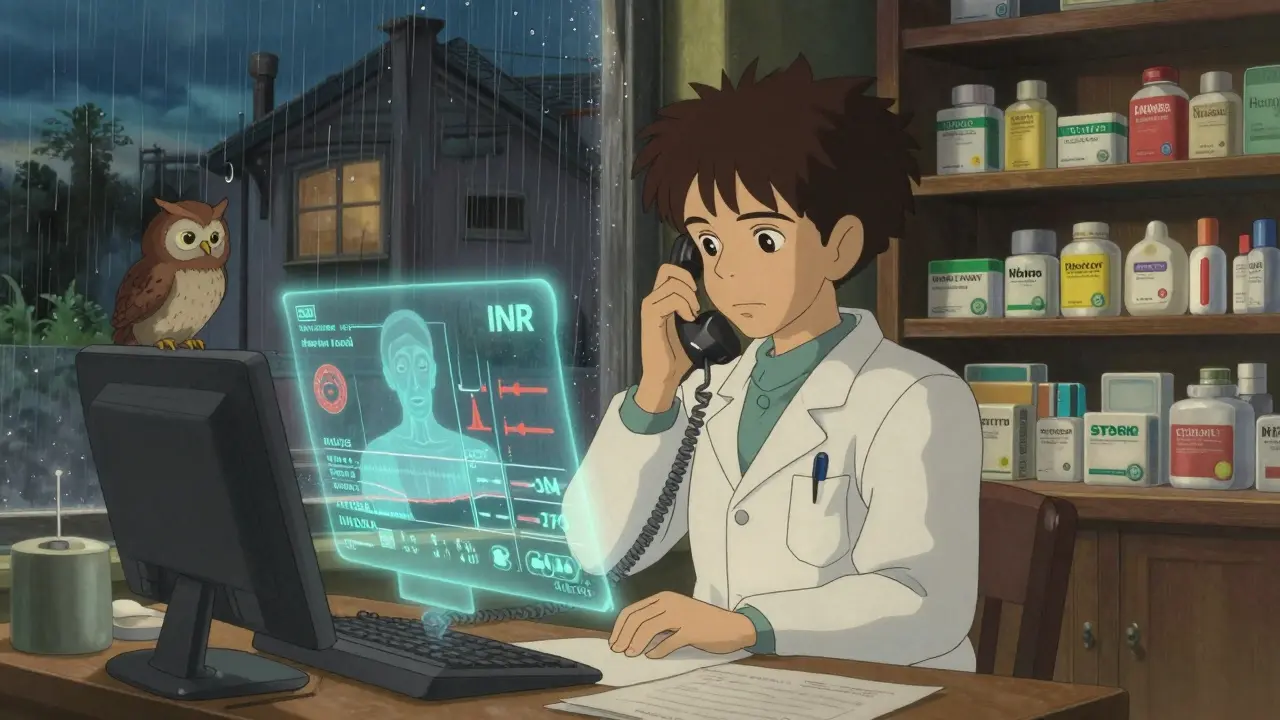
- Warfarin (blood thinner): Small changes can lead to dangerous clots or bleeding. Regular INR checks are critical after any switch.
- Antiepileptics (like phenytoin, carbamazepine): Seizure control is fragile. Don’t switch unless you’re monitored closely.
- Immunosuppressants (like cyclosporine): Used after transplants. Even tiny differences can lead to rejection.
What’s changing behind the scenes
New rules are making transitions easier. As of August 2023, the DEA allows pharmacies to transfer electronic prescriptions for controlled substances (like pain meds or ADHD drugs) without needing your doctor to approve it. That means if your brand runs out and you need to switch pharmacies, you can do it in hours, not days. Also, pharmacy systems are getting smarter. Many now flag patients who’ve had problems with generics in the past. If you’ve ever said, “This generic made me feel weird,” your pharmacy might now remember it-so next time, they’ll call you before switching.Your role in the process
You’re not just a patient. You’re a partner in your care. You know your body better than anyone. If something feels off after a switch, speak up. Don’t wait until you’re in crisis. Don’t assume your doctor will catch it. Pharmacists are trained to help you navigate these changes-but they can’t help if they don’t know there’s a problem. Start asking questions. Keep notes. Keep your list updated. If your pharmacy doesn’t offer a consultation, ask if they have a medication therapy management program. Most do, especially for chronic conditions. Switching to a generic doesn’t have to be a gamble. With the right conversation, it can be a smart, safe, and cost-saving move. But it only works if you’re part of the decision.Can my pharmacy switch my medication without telling me?
Yes, in many cases, pharmacies can switch your brand-name drug to a generic without calling you first-especially if your insurance requires it or the brand is no longer available. But they’re required to inform you at the time of pickup and explain the change. If you weren’t told, ask why. You have the right to know what you’re taking.
What if I don’t like the generic? Can I go back to the brand?
Absolutely. Talk to your pharmacist first. They can call your doctor to request the brand, especially if you’re experiencing side effects or loss of effectiveness. Many insurers allow exceptions for medical necessity. If your doctor agrees, they can write "dispense as written" or file an exception with your insurance. You may pay more, but your health comes first.
Are generic drugs as safe as brand-name ones?
Yes. The FDA requires generics to meet the same strict standards for quality, safety, and effectiveness as brand-name drugs. They must contain the same active ingredient, strength, and dosage form. The main difference is in inactive ingredients (like dyes or fillers), which can rarely cause issues for sensitive individuals. But for 90% of people, generics work just as well.
Why do generic pills look different?
By law, generic drugs can’t look exactly like the brand-name version. That’s to avoid trademark infringement. So the color, shape, or markings may change-even if the active ingredient is the same. That’s why it’s important to check the name on the label and ask your pharmacist if you’re unsure. Don’t assume a different-looking pill is wrong-it’s probably the generic, and it’s legal and safe.
What should I do if I think the generic isn’t working?
Don’t stop taking it suddenly. Contact your pharmacist right away. Write down your symptoms and when they started. They can check if another generic version is available, call your doctor, or help you request the brand. In some cases, switching to a different generic manufacturer solves the problem. Your pharmacist has tools to help-use them.



Write a comment