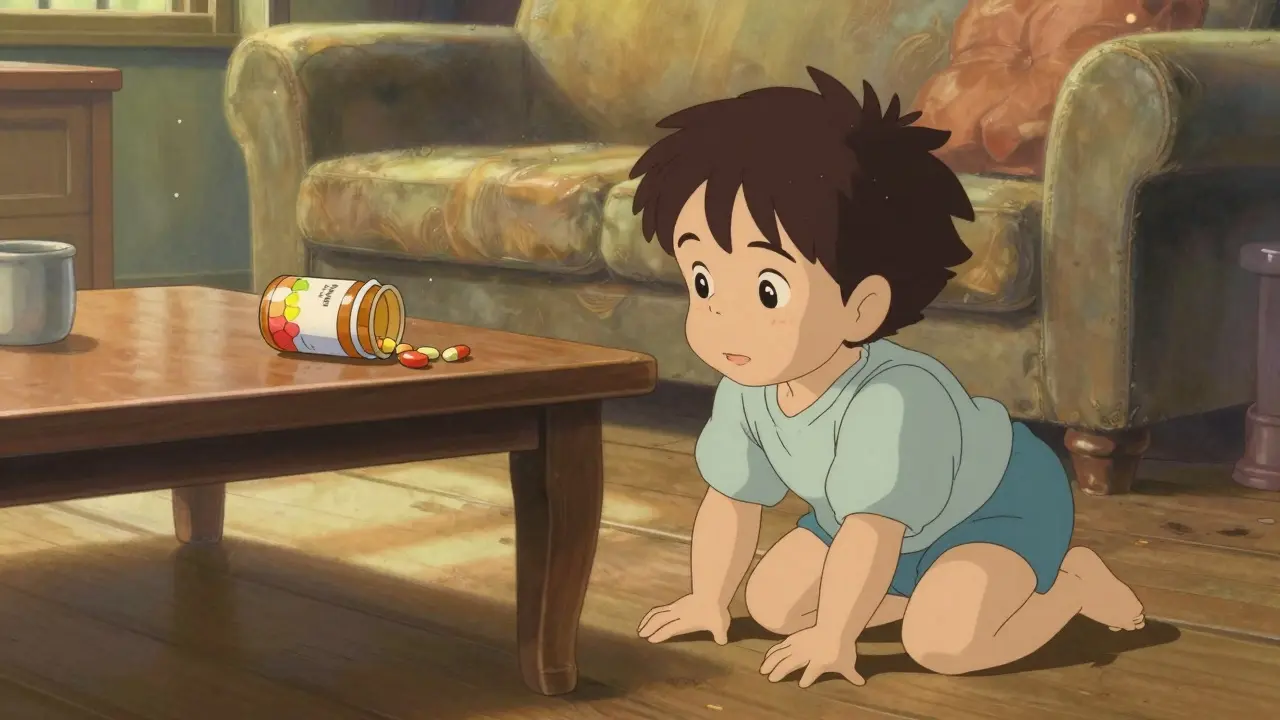
It only takes a few seconds for a curious toddler to find a loose pill or for a parent to accidentally double-dose a sick child with two different medicines. While we all try to keep our homes safe, medication errors happen. The scary part is that children's bodies process drugs very differently than ours, and what looks like a "deep sleep" could actually be a life-threatening emergency. Knowing the difference between a mild reaction and a critical overdose can be the only thing that saves a child's life.
The most dangerous thing about pediatric overdose is the "silent window." Some medications, like Acetaminophen is a common pain and fever reducer found in Tylenol and many cold medicines, don't show obvious symptoms immediately. You might think your child is fine while their liver is actually struggling. Because the window for effective treatment is so narrow, you cannot afford to "wait and see" if symptoms appear.
Key Indicators of Medication Overdose
Symptoms vary wildly depending on what the child took. You aren't looking for one single "overdose look," but rather clusters of behavioral and physical changes. If you suspect an overdose, check for these specific red flags based on the drug type:
Opioids and Painkillers
Opioids slow down the central nervous system. If a child has ingested prescription painkillers or synthetic opioids like Fentanyl, look for these critical signs:
- Pinpoint Pupils: Pupils that are tiny dots and don't react to light.
- Respiratory Distress: Breathing that is very slow, shallow, or has stopped entirely.
- Skin Changes: Cold, clammy skin. In lighter-skinned children, lips or fingernails may look blue or purple; in darker-skinned children, they may appear grayish or ashen.
- Loss of Consciousness: A limp body or a child who won't wake up even when you shake them or rub your knuckles hard against their upper lip.
- Strange Noises: Choking, gurgling, or loud snoring while unconscious.
Acetaminophen (Tylenol)
This is one of the most common causes of poisoning because it's in so many products. The danger here is the delay. Nausea and abdominal pain might not hit for 24 hours, but liver damage starts much sooner. A huge risk is "double dosing," where a parent gives a fever reducer and a multi-symptom cold medicine, not realizing both contain the same active ingredient.
Stimulants (ADHD Medications)
When children overdose on stimulants, they don't get sleepy-they go into overdrive. Watch for:
- Extreme irritability, panic, or sudden psychosis.
- Rapid breathing and dangerously high blood pressure.
- Physical tremors, seizures, or an elevated body temperature (fever) without an infection.
- Confusion, dizziness, and hallucinations.
| Medication Type | Primary Effect | Critical Warning Signs | Urgency Level |
|---|---|---|---|
| Opioids | Depressant | Pinpoint pupils, slow breathing, blue lips | Immediate/Critical |
| Acetaminophen | Hepatotoxic | Delayed nausea, abdominal pain, jaundice | High (Silent window) |
| Stimulants | Excitatory | Panic, seizures, high heart rate, fever | High/Immediate |
Poison Control vs. 911: Making the Right Call
In the heat of the moment, it's easy to panic. However, there is a specific logic to who you call first. The Poison Control Center is your first line of defense for suspected exposures that aren't yet life-threatening. They provide expert guidance on whether you need to rush to the ER or if you can manage the situation at home.
Call Poison Control (1-800-222-1222) immediately if:
- You suspect the child took too much, even if they seem perfectly fine.
- The child is awake and breathing normally but has ingested a toxic substance.
- You aren't sure if the dose was too high and need a professional to calculate the toxicity based on the child's weight.
Call 911 immediately if:
- The child is unresponsive or cannot be woken up.
- They are struggling to breathe or have stopped breathing.
- They are having a seizure or uncontrollable shaking.
- They have severe facial swelling (lips/tongue) or a rapidly spreading rash.
- They are unable to swallow.
If you are dealing with a suspected opioid overdose and have Naloxone (Narcan) on hand, administer it immediately. This medication can temporarily reverse the effects of opioids and buy the child precious minutes while waiting for the ambulance.
The Critical Window for Treatment
Timing isn't just a factor; it's everything. For acetaminophen toxicity, doctors use a drug called N-acetylcysteine (NAC). The effectiveness of this treatment drops off a cliff based on time. If administered within 8 hours of the overdose, it's nearly 100% effective at preventing liver failure. By 16 hours, that effectiveness can drop to around 40%. This is why "watching them for a few hours" to see if they get sick is a dangerous gamble.
For opioid overdoses, the risk is respiratory failure. The brain simply "forgets" to tell the lungs to breathe. This is why physical stimulation-like rubbing your knuckles against the sternum-is used to check for responsiveness. If the child doesn't react, their brain is not receiving enough oxygen, and every second counts.
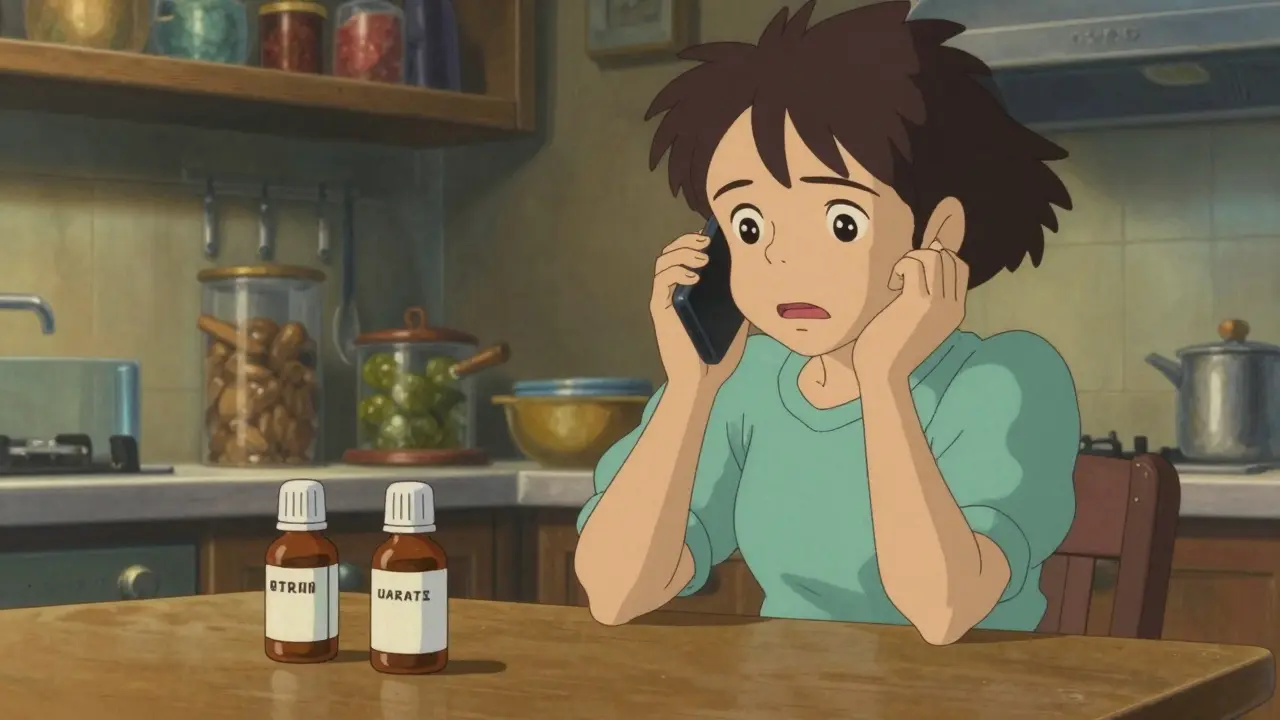
Practical Prevention and Home Safety
Most poisonings happen in the home, and surprisingly, many happen even when child-resistant caps are used. These caps are "child-resistant," not "child-proof." A determined toddler can often figure them out.
To actually lower your risk, move beyond just twisting a cap. Store all medications in locked cabinets, ideally high up and out of sight. Avoid the common mistake of calling medicine "candy" to get a child to take it; this teaches them that colorful pills are treats, which can lead to accidental ingestion when you aren't looking.
When dosing your child, always use the specific measuring device (syringe or cup) that came with that exact medication. Never use a household kitchen spoon, as they vary wildly in size and can lead to significant dosing errors. Also, check the labels of every product you give your child during a cold. If your "Nighttime Cold Syrup" contains acetaminophen and you also give them a dose of Tylenol, you are inadvertently risking an overdose.
What should I do while waiting for the ambulance?
If the child is unresponsive, check their breathing. If you are trained, perform rescue breathing. If you suspect an opioid overdose and have Naloxone, administer one dose and wait 2-3 minutes before giving another. Keep the child on their side (the recovery position) to prevent choking if they vomit.
My child seems fine after taking too much Tylenol. Do I still need to call?
Yes. Absolutely. Acetaminophen is deceptive. Liver damage happens silently and symptoms like nausea or abdominal pain may not appear for 24 hours. By the time you see symptoms, the damage may be severe. Early treatment with NAC is highly effective, but only if started quickly.
Are herbal remedies and vitamins safe from overdose?
No. Many herbal supplements and vitamins (especially those containing iron) can be toxic in high doses. Iron overdose, in particular, can cause severe gastrointestinal distress and organ failure in small children. Always treat any unplanned ingestion of any supplement as a potential overdose.
How do I know if a drug is an opioid?
Check the packaging for names like oxycodone, hydrocodone, morphine, or fentanyl. If the label mentions "controlled substance" or "narcotic," it is likely an opioid. If you aren't sure, describe the packaging to the Poison Control specialist.
Is it possible to overdose on over-the-counter cough medicine?
Yes. Many cough and cold preparations contain multiple active ingredients (like dextromethorphan or acetaminophen). Taking too much can cause agitation, hallucinations, or liver toxicity depending on the ingredients. Always follow the weight-based dosing instructions on the package.
Next Steps for Caregivers
- Audit Your Medicine Cabinet: Go through all your medications today. Dispose of expired drugs and move current ones into a locked box.
- Save the Number: Program 1-800-222-1222 into your phone as "Poison Control" right now so you don't have to search for it during a crisis.
- Check Your Labels: Identify which of your children's medications contain acetaminophen so you can avoid accidental double-dosing.
- Education: If you have high-risk medications in the home, consider keeping a Naloxone kit and learning how to use it.


Write a comment