Steroid Skin Reaction Checker
Help identify if your breakout is Steroid Acne, Fungal Folliculitis, or Regular Acne.
1. Where are the breakouts primarily located?
2. Describe the appearance and sensation:
3. When did this start?
Suggested Approach:
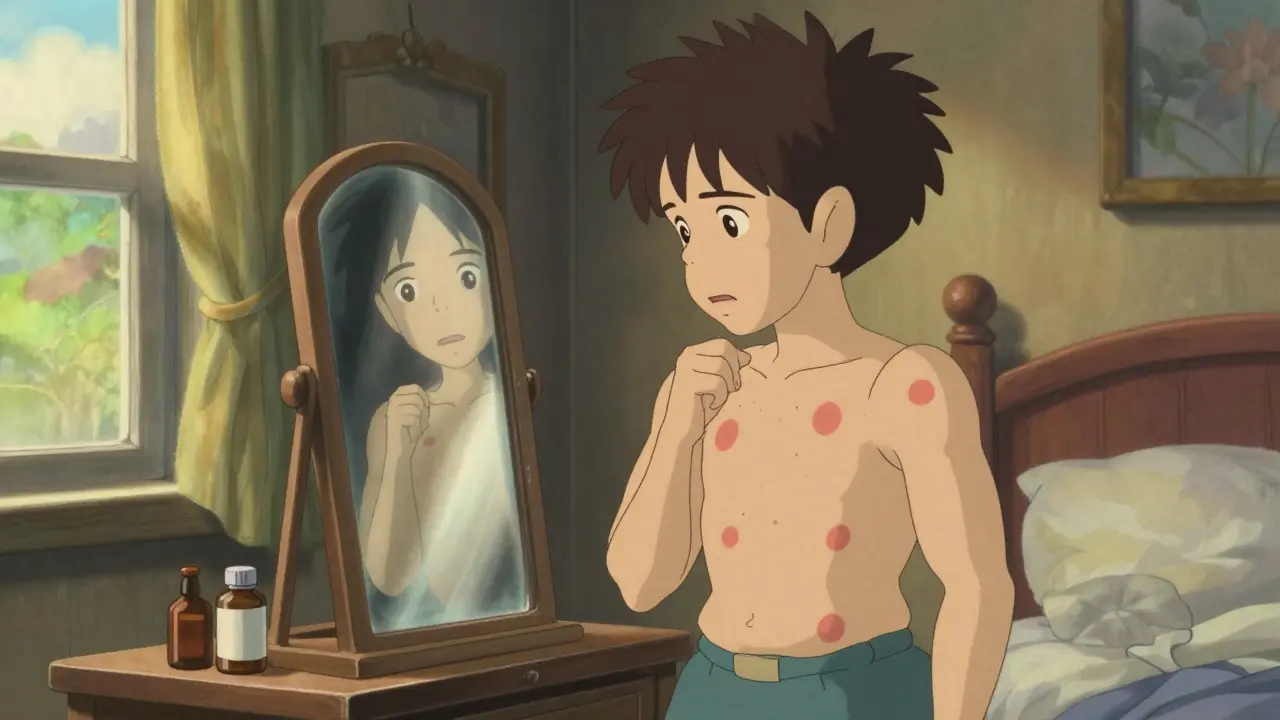
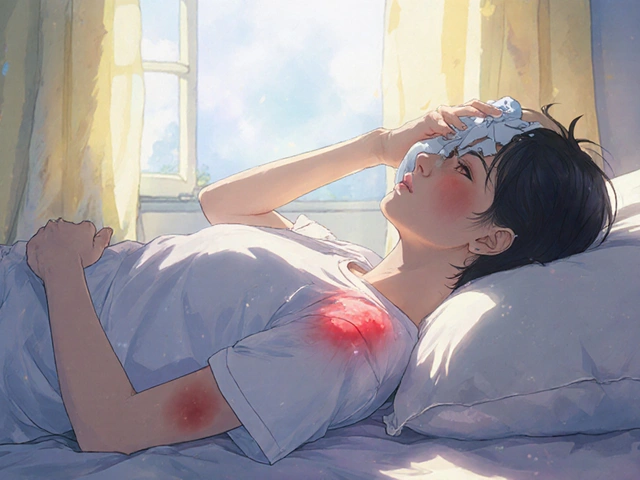
Imagine waking up a few weeks after starting a necessary medication for asthma or an autoimmune flare, only to find your chest and back covered in hundreds of tiny, uniform red bumps. You try your usual face wash or a drugstore spot treatment, but nothing budges. This isn't your typical teenage breakout. It's a specific reaction to medication, and treating it like regular acne often leads to total frustration.
When you take Corticosteroids is a class of steroid hormones used to reduce inflammation and suppress the immune system , your skin chemistry changes. For about 10-20% of people on high-dose regimens, this triggers a distinct type of eruption. Whether you're managing a chronic illness or using performance enhancers, understanding why this happens is the first step to clearing your skin.
| Feature | Steroid-Induced Acne | Acne Vulgaris (Regular) |
|---|---|---|
| Appearance | Uniform, reddish papules; wave-like progression | Mixed sizes; blackheads, whiteheads, cysts |
| Primary Location | Chest and upper back (truncal) | Face, back, and chest |
| Onset | Weeks after starting steroid therapy | Puberty or hormonal shifts |
| Main Trigger | Exogenous steroid use (medical or anabolic) | Androgens, sebum, and bacteria |
Why Steroids Cause Breakouts
It's not just about hormones. Recent research shows a molecular trigger involving Toll-like receptor 2 is a protein (TLR2) on the surface of immune cells that recognizes pathogens . When corticosteroids enter the system, they affect how this receptor expresses itself. This creates a "perfect storm" where the natural bacteria on your skin, Propionibacterium acnes is a common bacterium found on the skin that can trigger inflammatory acne , sparks an inflammatory pathway that leads to those uniform red bumps.
There are two main paths to this condition. First, there's the medical route: using drugs like prednisone for inflammatory bowel disease or organ transplant recovery. Second, there's the anabolic route: using performance-enhancing steroids in bodybuilding. While the cause differs, the result is similar: a sudden surge of follicular eruptions that don't follow the usual "random" pattern of regular acne.
Spotting the Difference: Acne or Folliculitis?
Not every steroid-related bump is actually acne. In about 30-40% of cases, patients actually develop Malassezia folliculitis is a fungal infection of the hair follicles caused by yeast, often mimicking acne . This is commonly called "fungal acne." If your bumps are incredibly itchy and all the same size-without any blackheads or whiteheads-you might be dealing with yeast rather than bacteria.
Distinguishing between the two is critical because the treatments are opposite. Using a strong antibiotic cream on a fungal infection can actually make the yeast bloom more, leaving you wondering why your skin is getting worse despite the "treatment."

Topical and Medical Solutions
The gold standard for clearing these dense clusters of bumps is Tretinoin is a potent retinoid derived from Vitamin A that increases skin cell turnover and clears pores . A 0.05% solution has shown an 85-90% success rate in clearing these lesions, even if the patient has to keep taking their steroids for medical reasons. It works by essentially "unsticking" the skin cells that clog the follicles.
If the breakout is moderate, a combination approach usually works best:
- Benzoyl Peroxide: A 5% wash helps kill bacteria and dry out active papules.
- Topical Antibiotics: Clindamycin can reduce inflammation, though some users report resistance after a few weeks.
- Oral Options: For those who can't clear it topically, doxycycline (100mg twice daily) is a common choice. Women might also use spironolactone to block the androgenic effects that steroids can trigger.
In severe cases, Isotretinoin is a powerful oral medication used for severe cystic acne, known by the brand name Accutane is the heavy hitter. However, there is a massive warning here for the bodybuilding community. In some people using high-dose anabolic steroids, isotretinoin can trigger "acne fulminans," a catastrophic reaction with deep ulcers and scarring. Never start this medication without a dermatologist who knows exactly what substances you are using.
Lifestyle Tweaks to Protect Your Barrier
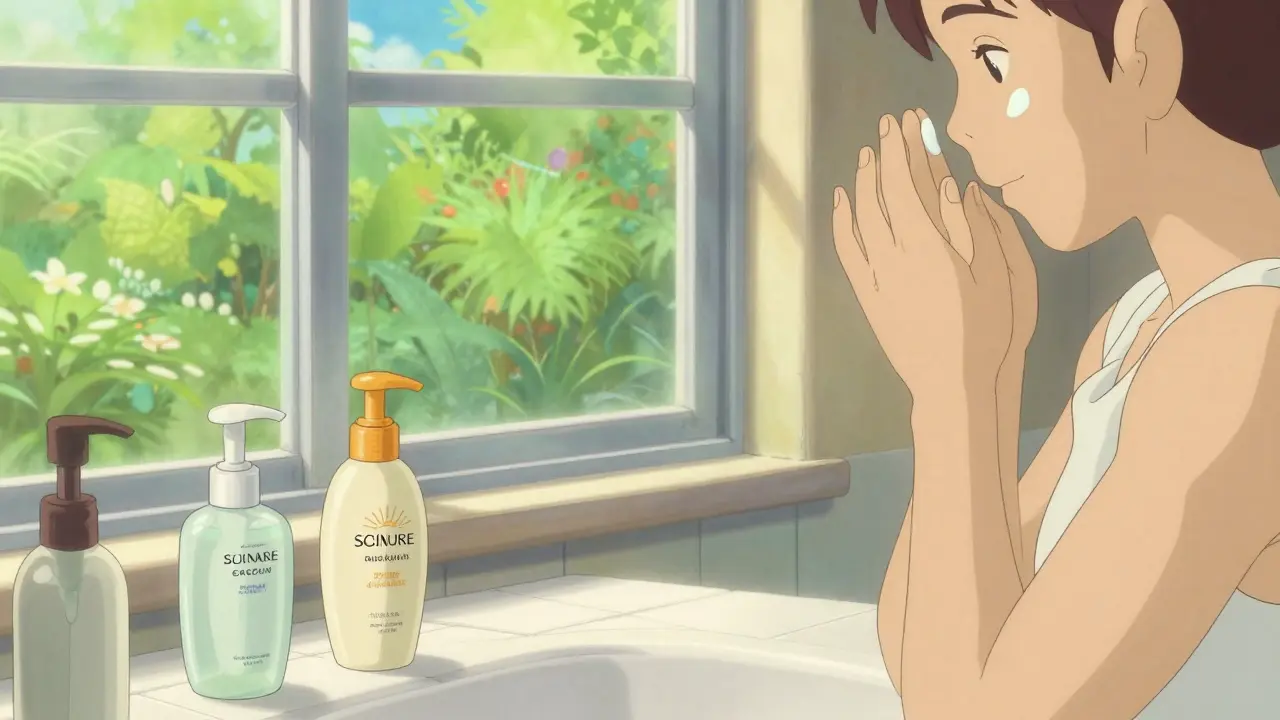
Steroids don't just cause pimples; they thin the skin and disrupt the moisture barrier. This makes your skin more sensitive to everything, including the sun and your own skincare products. If you jump straight into a high-strength acid peel, you might end up with chemical burns instead of clear skin.
To manage the side effects, follow these rules of thumb:
- Ditch the scrubs: Avoid harsh physical exfoliants. Your skin is already compromised; scrubbing will only spread inflammation.
- Non-comedogenic everything: Use moisturizers labeled "non-comedogenic" to keep the barrier intact without clogging pores further.
- Strict Sun Protection: Both steroids and retinoids make your skin photosensitive. A daily SPF 30+ is non-negotiable, or you'll trade the acne for permanent dark spots (hyperpigmentation).
- The "Low and Slow" Method: When starting tretinoin, use it every third night for two weeks before moving to every other night. This prevents the dreaded "retinol burn."
Dealing with Fungal Variants
If you've identified your condition as Malassezia folliculitis, put away the acne creams. Instead, look for antifungal agents. A 2% ketoconazole shampoo or a 2.5% selenium sulfide wash can be used as a body wash. The trick is to let the suds sit on the skin for 5-10 minutes before rinsing. This gives the antifungal active ingredients time to penetrate the follicle and kill the yeast.
How long does steroid acne last after I stop the medication?
In most cases, steroid acne begins to resolve within 4 to 8 weeks after you stop taking the steroids. However, if you are on long-term therapy for a condition like multiple sclerosis or Crohn's disease and cannot stop the meds, you will need a maintenance routine involving retinoids and potentially oral medications to keep the skin clear.
Can I use over-the-counter salicylic acid for steroid breakouts?
While salicylic acid can help unclog pores, it is often too weak for the dense, uniform papules characteristic of steroid-induced acne. Tretinoin is significantly more effective for this specific condition. If you use salicylic acid, be careful not to over-dry your skin, as steroids already weaken the skin barrier.
Why did my acne start 6 weeks after I began my steroids?
Steroid acne rarely appears overnight. It typically takes several weeks of exposure for the corticosteroids to alter the expression of Toll-like receptor 2 (TLR2) and for the P. acnes bacteria to trigger the inflammatory response. This delayed onset often confuses patients into thinking the acne is caused by something else.
Is it safe to take antibiotics for this long-term?
No. Experts recommend limiting the use of oral antibiotics like doxycycline to a maximum of 3-4 months. Long-term use increases the risk of antibiotic resistance and can disrupt your gut microbiome. The goal should be to use antibiotics to calm the initial flare and then transition to a long-term topical retinoid like tretinoin.
What is the safest way to start a treatment if my skin is very sensitive?
Start with a gentle, non-foaming cleanser and a basic non-comedogenic moisturizer. Introduce your active treatment (like tretinoin) slowly-once every few days-and always apply it to completely dry skin to reduce irritation. If you experience severe peeling, reduce the frequency of application rather than stopping entirely.
Next Steps for Recovery
If you are currently experiencing a breakout, your first move should be to document the lesions. Take clear photos of the affected areas and note exactly when you started your steroid medication. This helps your doctor differentiate between medical steroid acne and a fungal infection.
For those who must stay on corticosteroids, don't wait until the breakouts are severe to seek help. Delaying treatment beyond 8 weeks of the first lesions appearing can significantly increase the risk of permanent scarring. A combination of a 5% benzoyl peroxide wash in the morning and a thin layer of 0.05% tretinoin at night is the most common starting point for a reason-it works. Just remember to keep your skin hydrated and protected from the sun while the process unfolds.
Write a comment